

Field-Proof Storage for Environmental Photography in Canada
Need help choosing the right memory card?
Use our quick selector to find the best SanDisk card for your device and usage.
Memory Card Finder
Find the Right SanDisk Memory Card
Answer a few quick questions. We’ll match you with the best SanDisk cards for your setup — then show your top pick plus a strong alternative.
Your recommended SanDisk cards
Like your match? Save 15% on it.
Sign up to our email list and we’ll email you a 15% off code you can use on your recommended SanDisk card.
Still not sure? Contact our team for 1:1 help choosing a card.
How We Score Your Matches
We compare your answers against each SanDisk card’s strengths (device type, video level, endurance, recording pattern and transfer needs). Each good fit adds points; the top score is your “Best match”.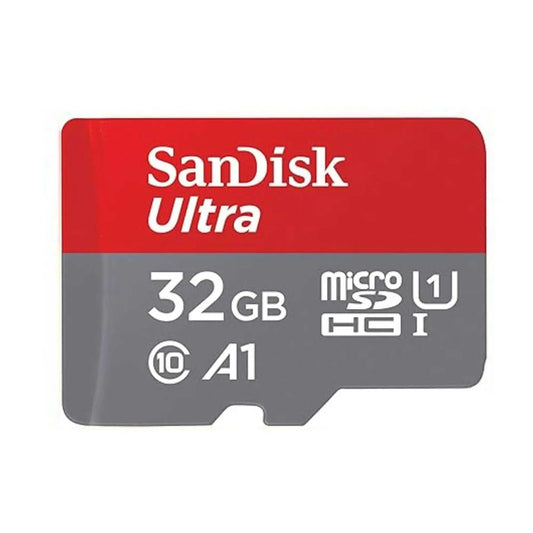
SanDisk Ultra microSDXC UHS-I Memory Card with SD Adapter – C10, A1, Full HD
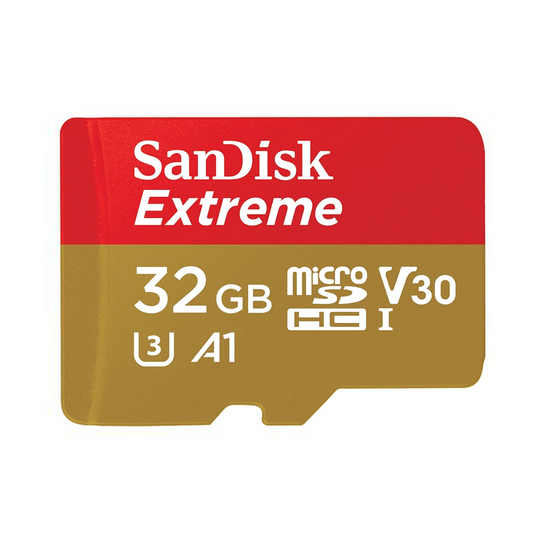
SanDisk Extreme microSDHC UHS-I Memory Card with SD Adapter – U3, A2, C10, 4K UHD
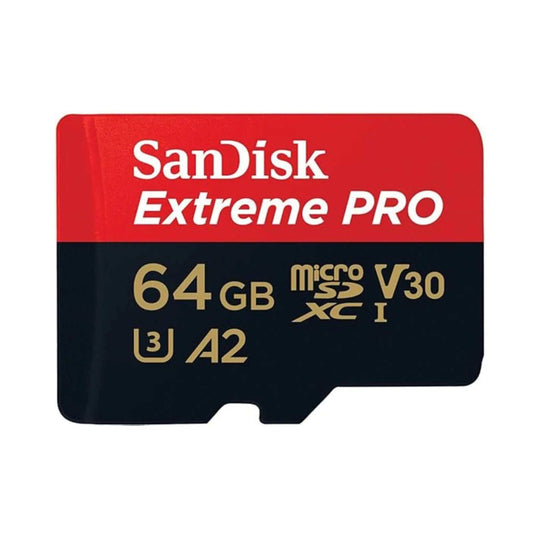
SanDisk Extreme PRO microSDXC UHS-I Memory Card with SD Adapter – U3, A2, C10, 4K UHD
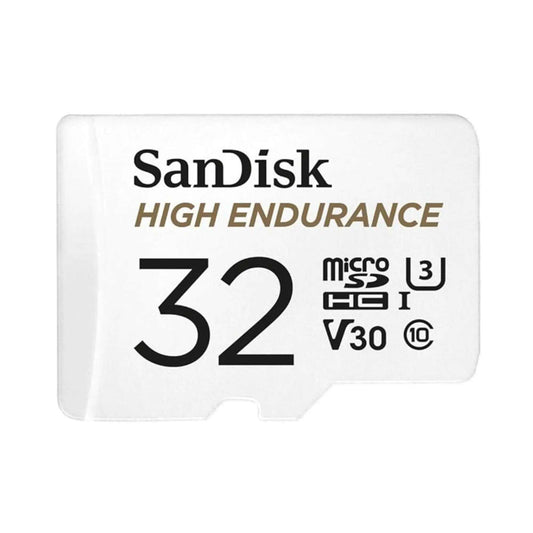
SanDisk High Endurance Video microSDXC UHS-I Memory Card with SD Adapter – U3, C10, V30, 4K UHD

SanDisk MAX Endurance microSDXC UHS-I Memory Card with SD Adapter – U3, C10, V30, 4K UHD
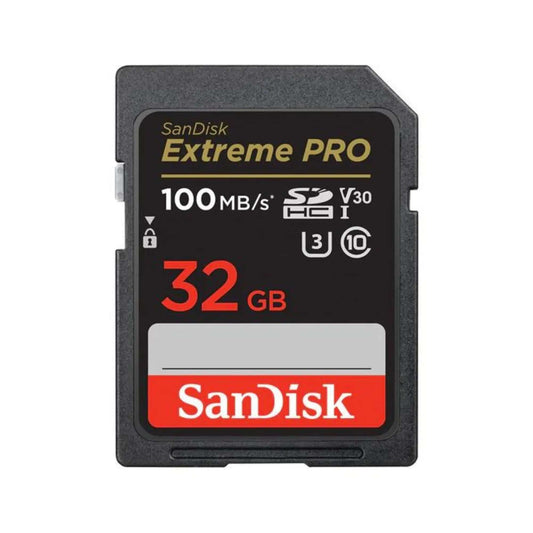
SanDisk Extreme PRO SDXC UHS-I SD Memory Card – U3, V30, C10, 4K UHD Compatible
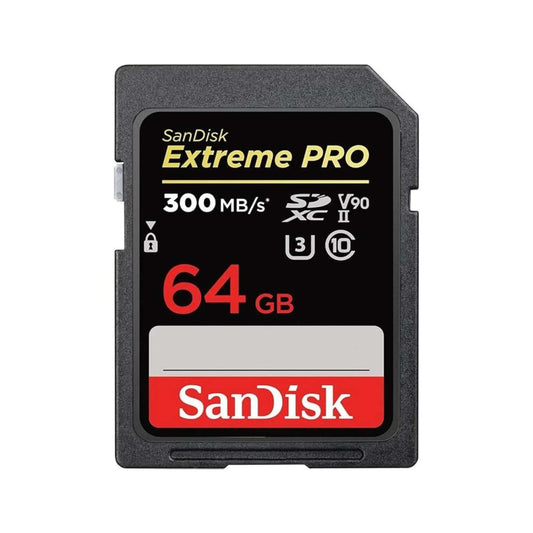
SanDisk Extreme PRO SDXC UHS-II SD Memory Card – V90, U3, C10, 8K & 4K UHD Compatible

SanDisk Express microSDXC Memory Card for Nintendo Switch 2 – C10, U3, 4K/8K
Environmental photography and field recording in Canada often happen where equipment is under the most stress: coastal rain and salt spray, dense boreal understory, freezing temperatures, wet glove handling, and long days far from reliable power. In these conditions, your memory card is not just an accessory. It is part of your field system.
Whether you are documenting wildlife, mapping wetlands, monitoring shorelines, or capturing soundscapes in remote areas, the right storage setup helps reduce dropped frames, write errors, corrupted files, and unnecessary card swaps. In this guide, we break down the camera and recorder types commonly used in Canadian fieldwork, the memory card specs that actually matter, and which SanDisk card families make the most sense for different environmental workflows.
Table of Contents
- 1. Why Environmental Imaging Matters in Canada
- 2. Devices Commonly Used in Environmental Photography
- 3. Memory Card Specifications Required for Fieldwork
- 4. Recommended SanDisk Memory Cards for Canadian Conditions
- 5. Comparison Table: Best Card Types by Field Use Case
- 6. Field Workflow and Data Protection Tips
- 7. Final Thoughts
- FAQ
- Sources
1. Why Environmental Imaging Matters in Canada
Canada’s landscapes demand more from cameras and memory cards than many everyday photography environments. Coastal work can mean fog, rain, salt exposure, and constant moisture. Forest fieldwork often means low light, wet gear, and long distances between charging opportunities. Northern and shoulder-season deployments add freezing conditions, condensation risk, and reduced battery performance.
In environmental monitoring, the cost of storage failure is high. You may not get a second chance to capture a species sighting, a drone survey window, or a multi-day acoustic deployment. That is why dependable storage should be matched to the actual capture workload, not just the “up to” speed printed on a retail package.
2. Devices Commonly Used in Environmental Photography
Different field jobs need different tools. A handheld mirrorless camera for wildlife photography has very different priorities from a trail camera left unattended for weeks. The best way to think about gear is by capture intent, deployment duration, and environmental exposure.
Mirrorless and DSLR Cameras
These are the workhorses of wildlife and landscape photography. In Canadian conditions, priorities include weather sealing, good dynamic range for snow and shadow recovery, dependable autofocus, long battery life, and ideally dual card slots for backup recording. They are especially useful for boreal fieldwork, alpine terrain, and high-contrast coastlines.
 Mirrorless camera used for wildlife and landscape fieldwork.
Action Cameras
Action cameras are useful when portability, waterproofing, and quick deployment matter more than interchangeable lenses. They are a strong fit for kayak-based work, coastal transects, rain-heavy environments, and documentation where rapid evidence capture is more important than a full photo setup.
 Action camera used in rugged and waterproof field conditions.
Drones
Drones add aerial context for wetland mapping, shoreline surveys, habitat monitoring, and wildlife counts where permitted. In practice, the most important storage considerations are card compatibility, stable sustained write speed for video, capacity limits supported by the drone, and reliable performance in cold or windy conditions.
 Drone used for aerial surveys and environmental monitoring.
Trail and Remote Cameras
Remote cameras are designed for unattended wildlife monitoring. Trigger speed, winter battery strategy, low-glow or no-glow infrared behavior, and secure mounting all matter. Since these devices may rewrite data repeatedly or run for long periods, memory card endurance is often more important than peak transfer speed.
 Trail camera used for long-term wildlife monitoring.
Field Audio Recorders and Hydrophones
Environmental documentation is not always visual. Field audio recorders help capture bird calls, amphibians, river soundscapes, and habitat acoustics, while hydrophones are important in marine environments. In these workflows, dependable storage and clear file organization matter just as much as microphone quality, especially when recordings may run for long periods.
 underwater hydrophone used for capturing underwater soundscapes.
3. Memory Card Specifications Required for Fieldwork
Most real-world card failures in the field are write-related, not read-related. That means the issues usually show up as dropped frames, corrupted clips, unstable recording when a card gets warm or nearly full, or errors during continuous capture.
Speed Class Matters More Than “Up To” Speeds
For environmental photo and video work, sustained write speed is the number that matters most. As a practical guide:
- V30 is the baseline for most 4K field workflows
- V60 is better for higher-bitrate 4K and more demanding hybrid work
- V90 is the right tier for 6K, 8K, and long bursts on high-end cameras
UHS-I vs UHS-II
UHS-II cards can offer a major speed advantage, but only if your camera and card reader support them. If your device only supports UHS-I, paying for a UHS-II card may not improve in-camera performance. Always match the card to the host device.
Durability Features Are Worth Paying For
In Canada, waterproofing, shock protection, temperature resistance, and dust resistance are practical field features. They help when cards are handled in rain, stored in packs during cold-weather work, or used near water and mud.
Capacity Planning Is Part of Risk Management
One large card is convenient, but several smaller cards reduce exposure if a single card fails or is lost. The right balance depends on your environment. In rough weather, fewer swaps may reduce handling risk. In remote deployments, multiple cards can reduce total data-loss exposure.
4. Recommended SanDisk Memory Cards for Canadian Conditions
SanDisk remains a strong choice for environmental imaging because of its broad card lineup, consistent availability in Canada, and product families that map clearly to real field use cases.
SanDisk Extreme SD UHS-I (V30)
A practical card for general wildlife photography, landscape work, and standard 4K field video. It is a good everyday choice when you want dependable performance without stepping into higher-cost UHS-II media.
SanDisk Extreme PRO SD UHS-I
A stronger hybrid option for photographers who shoot RAW bursts and 4K video on the same trip. It is often a very good main card for mirrorless wildlife and landscape kits.
SanDisk Extreme PRO SD UHS-II (V90)
The right fit for high-bitrate video, demanding burst shooting, and premium cameras that can actually use UHS-II speeds. In rough weather, higher capacity and faster offload can also reduce the number of risky card swaps.
SanDisk Extreme microSD
A reliable option for action cameras and drones. This is a practical choice for field B-roll, aerial survey video, and mobile devices used in wet, cold, or fast-moving environments.
SanDisk High Endurance microSD
Best suited to trail cameras, long-running monitoring gear, and devices that rewrite data constantly. Endurance cards are not just about speed; they are about surviving repeated write cycles over time.
5. Comparison Table: Best Card Types by Field Use Case
Here is a practical summary of which memory card class makes the most sense depending on your field device and workload.
| Use Case | Recommended Card Type | Why It Fits | Best For |
|---|---|---|---|
| Wildlife and landscape photography | SanDisk Extreme SD UHS-I V30 | Reliable for stills and standard 4K video | General fieldwork, hiking kits, travel-friendly setups |
| Hybrid photo + 4K video | SanDisk Extreme PRO SD UHS-I | Faster write performance for bursts and mixed workloads | Mirrorless cameras used for both photo and video |
| 6K, 8K, high-bitrate recording | SanDisk Extreme PRO SD UHS-II V90 | Higher sustained write floor for demanding capture modes | Professional mirrorless or cinema-oriented field setups |
| Drones and action cameras | SanDisk Extreme microSD V30 | Strong fit for mobile devices that need stable 4K recording | Aerial surveys, action capture, wet-weather fieldwork |
| Remote cameras and long-term monitoring | SanDisk High Endurance microSD | Designed for repeated write cycles and continuous use | Trail cameras, unattended devices, long deployments |
6. Field Workflow and Data Protection Tips
A strong field workflow assumes that you may not be able to reshoot anything. Once the capture is done, the next priority is to reduce the chance of data loss.
Use a Simple Backup Rule
A practical standard is the 3-2-1 approach: keep three copies of your data, on two different media types, with one copy stored off-site when possible.
Field-Proof Workflow Checklist
- Start each deployment with freshly formatted cards
- Label cards and rotate them methodically
- Store full cards in a dustproof, weather-resistant case
- Offload to a rugged SSD when possible
- Create a second copy before editing or analysis
- Organize files with site name, date, device, and notes
Do Not Treat Formatting as an Afterthought
Improperly formatted cards are a common and avoidable source of unpredictable behavior. For field deployments, format cards the way your device manufacturer recommends before you leave.
7. Final Thoughts
Environmental photography in Canada is demanding because the conditions are demanding. Snow, rain, fog, cold, water exposure, and long distances all make storage decisions more important than they seem in studio or casual shooting environments.
The right memory card setup helps reduce failure points, protect valuable field data, and make your workflow more dependable from capture to backup. For many photographers and field teams, that means choosing cards with the right sustained write class, realistic capacity, and proven durability rather than simply chasing the biggest number on the box.
FAQ
What memory card speed is enough for most 4K environmental video?
For most standard 4K field workflows, a V30 card is a practical baseline. For higher-bitrate 4K, 6K, or more demanding codecs, stepping up to V60 or V90 is safer.
Are endurance microSD cards better for trail cameras?
Yes. High endurance microSD cards are a better fit for trail cameras and other unattended devices because they are built for repeated write cycles over time.
Should I buy one large card or several smaller cards for fieldwork?
It depends on your workflow, but many field users prefer multiple smaller cards to reduce total loss if one card fails. In harsh weather, however, fewer card swaps can also reduce handling risk.
Do UHS-II cards work in UHS-I cameras?
Yes, but they fall back to the camera’s supported interface. If your device only supports UHS-I, you will not get full UHS-II performance in-camera.
What type of card is best for drones in Canada?
For most drones, a reliable V30 microSD card is the right starting point. Always confirm the drone’s supported capacity and recommended card types before buying.
Why does formatting matter so much?
Formatting helps the card and device work together correctly. Improper formatting can cause unpredictable behavior, recording issues, or file errors, especially in long deployments.
Sources
- Natural Resources Canada – Boreal forest overview
- Parks Canada – Safety and remote camera guidance
- Transport Canada – Drone pilot licensing information
- SD Association – Speed class and bus speed documentation
- SanDisk – SD and microSD product specifications
- Wildlife Acoustics – Song Meter deployment workflow guidance
- Canadian Centre for Cyber Security – Backup guidance and 3-2-1 rule

![SanDisk microSD Express: The High-Speed Storage Upgrade Built for Nintendo Switch 2 (and Beyond) [2026]](http://www.topselect.ca/cdn/shop/articles/Blog_Covers_2_1.png?v=1774635766&width=533)
