

New Generation SANDISK Memory Cards vs Older SanDisk Cards: What Changed in 2026?
Besoin d'aide pour choisir la bonne carte mémoire ?
Utilisez notre sélecteur rapide pour trouver la carte SanDisk la mieux adaptée à votre appareil et à votre utilisation.
Memory Card Finder
Find the Right SanDisk Memory Card
Answer a few quick questions. We’ll match you with the best SanDisk cards for your setup — then show your top pick plus a strong alternative.
Your recommended SanDisk cards
Like your match? Save 15% on it.
Sign up to our email list and we’ll email you a 15% off code you can use on your recommended SanDisk card.
Still not sure? Contact our team for 1:1 help choosing a card.
How We Score Your Matches
We compare your answers against each SanDisk card’s strengths (device type, video level, endurance, recording pattern and transfer needs). Each good fit adds points; the top score is your “Best match”.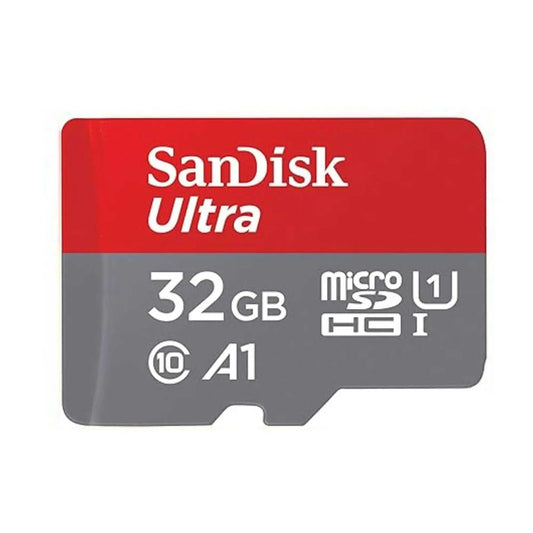
Carte mémoire SanDisk Ultra microSDXC UHS-I avec adaptateur SD – C10, A1, Full HD
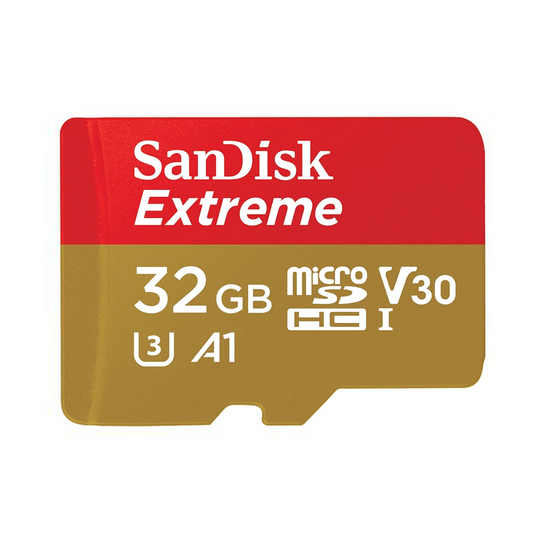
Carte mémoire SanDisk Extreme microSDHC UHS-I avec adaptateur SD – U3, A2, C10, 4K UHD

Carte mémoire SanDisk Extreme PRO microSDXC UHS-I avec adaptateur SD – U3, A2, C10, 4K UHD
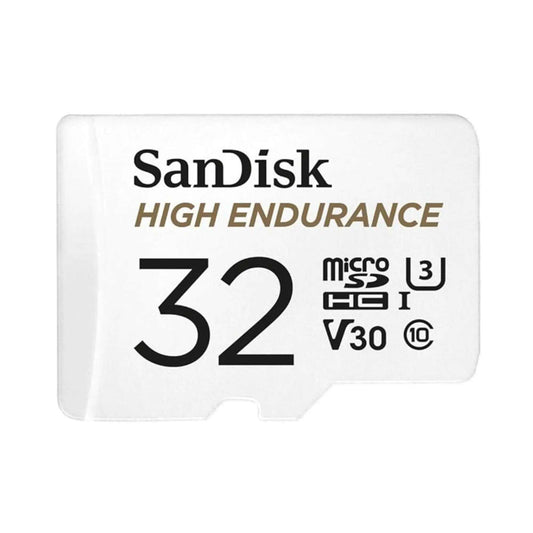
Carte mémoire microSDXC SanDisk High Endurance Video UHS-I avec adaptateur SD – U3, C10, V30, 4K UHD

Carte mémoire microSDXC SanDisk MAX Endurance UHS-I avec adaptateur SD – U3, C10, V30, 4K UHD
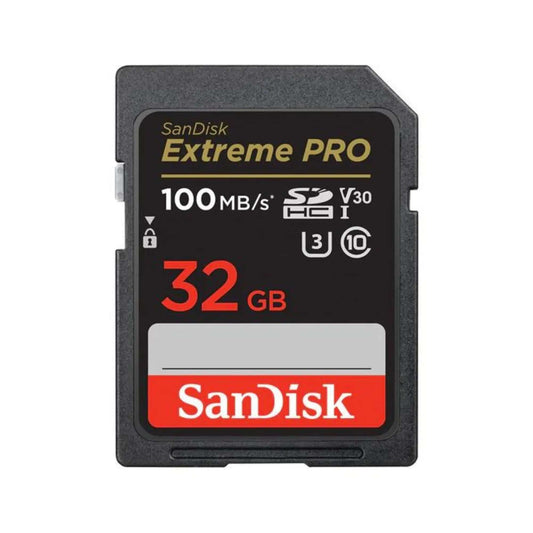
Carte mémoire SDXC SanDisk Extreme PRO UHS-I – U3, V30, C10, Compatible 4K UHD
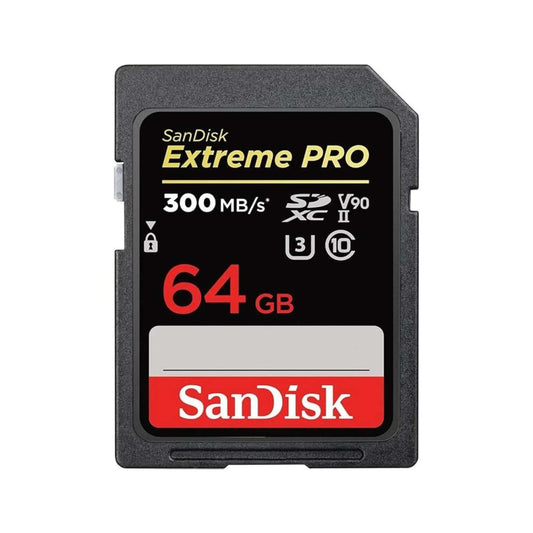
Carte mémoire SanDisk Extreme PRO SDXC UHS-II – V90, U3, C10, Compatible 8K et 4K UHD

Carte mémoire SanDisk Express microSDXC pour Nintendo Switch 2 – C10, U3, 4K/8K
The 2026 SANDISK memory-card refresh brings more than a new visual identity. Several refreshed microSD and SD card families have higher rated speeds than their older SanDisk equivalents, while the professional range adds faster V60 media, larger-capacity V90 cards, and a major CFexpress 4.0 Type B upgrade.
The comparison table below focuses on equivalent capacities where possible, so you can see which updates are meaningful for your device and which older cards are still perfectly suitable.
2026 SANDISK refresh at a glance
The figures below use comparable 256GB models where possible. All speeds are manufacturer-rated maximum sequential figures and actual performance depends on the card, device, interface, reader, and usage conditions.
| Product family | Older SanDisk version | New SANDISK version | Main difference |
|---|---|---|---|
| Extreme PRO microSD |

Up to 200MB/s read
Up to 140MB/s write
|

Up to 250MB/s read
Up to 170MB/s write
|
25% faster rated read speed and 21% faster rated write speed. |
| Extreme microSD |

Up to 190MB/s read
Up to 130MB/s write
|

Up to 245MB/s read
Up to 170MB/s write
|
29% faster rated read speed and 31% faster rated write speed. |
| Ultra microSD |

Up to 150MB/s read
|

Up to 195MB/s read
|
Faster rated transfers; compare write performance by exact SKU. |
| Extreme PRO SD UHS-I |

Up to 200MB/s read
Up to 140MB/s write
|

Up to 250MB/s read
Up to 170MB/s write
|
Faster offloads and more headroom for burst shooting. |
| Extreme SD UHS-I |

Up to 180MB/s read
Up to 130MB/s write
|

Up to 230MB/s read
Up to 160MB/s write
|
Faster rated transfers and writes for hybrid photo and video use. |
| Ultra SD UHS-I |

Up to 150MB/s read
|

Up to 195MB/s read
|
Faster transfers with compatible SANDISK QuickFlow hardware. |
Note: Maximum ratings can vary by capacity. Compare the exact card capacity and SKU before purchasing.
New Generation SANDISK microSD cards vs older SanDisk versions
The most noticeable consumer updates are in the Extreme and Extreme PRO microSD families. They are best suited to users who regularly transfer large files, capture action-camera or drone footage, use demanding Android storage, or want more performance headroom from compatible devices.
The refreshed Extreme microSD range is the strongest mainstream speed upgrade, while Extreme PRO remains the premium choice for shoppers who want top-tier capacity and performance. Ultra continues to be better suited to everyday phone storage, tablets, handheld gaming, and basic camera use.
New Generation SANDISK SD cards vs older SanDisk versions
The full-size SD refresh follows the same pattern. The new Extreme and Extreme PRO UHS-I cards add faster rated read and write performance for photographers and hybrid camera users, while the new Ultra SD cards focus more on everyday transfers, travel photography, and Full HD recording.
For most mirrorless and DSLR users, the update matters most when you shoot frequent bursts, transfer large RAW files, or record higher-bitrate 4K video. For casual photography, travel, and standard video recording, an older compatible SD card may still provide everything your camera needs.
Professional refresh: new V60, V90 and CFexpress 4.0 Type B cards
The professional updates are more specialized. The new V60 cards bring a meaningful write-speed improvement, the new V90 range is most compelling for its larger capacities, and CFexpress 4.0 Type B delivers the largest raw speed increase for compatible professional cameras and readers.
New Generation Extreme PRO UHS-II V60 vs older V60
| Feature | Older SanDisk UHS-II V60 | New SANDISK Extreme PRO V60 | What changed |
|---|---|---|---|
| Product image |  |
 |
Refreshed professional range with a dedicated V60 model. |
| 256GB maximum read speed | Up to 280MB/s | Up to 300MB/s | About 7% faster rated read speed. |
| 256GB maximum write speed | Up to 150MB/s | Up to 250MB/s | About 67% faster rated write speed. |
| Video Speed Class | V60 | V60 | The sustained video class remains the same. |
| Maximum capacity | Up to 1TB | Up to 2TB | More room for longer shoots and fewer card swaps. |
New Generation Extreme PRO UHS-II V90 vs older V90
| Feature | Older SanDisk Extreme PRO V90 | New SANDISK Extreme PRO V90 | What changed |
|---|---|---|---|
| Product image |  |
 |
New V90 design and larger-capacity range. |
| 256GB maximum read speed | Up to 300MB/s | Up to 310MB/s | A small peak read-speed increase. |
| 256GB maximum write speed | Up to 300MB/s | Up to 304MB/s | A modest peak write-speed increase. |
| Video Speed Class | V90 | V90 | Both are designed for demanding professional video workflows. |
| Maximum capacity | Up to 512GB | Up to 2TB | This is the most meaningful upgrade for many users. |
The V60 is the more meaningful speed upgrade for compatible UHS-II workflows, while the new V90 is primarily a capacity upgrade for creators who want fewer card swaps during long shoots.
New Generation CFexpress 4.0 Type B vs older CFexpress Type B
| Feature | Older SanDisk Extreme PRO CFexpress Type B | New SANDISK Extreme PRO CFexpress 4.0 Type B | What changed |
|---|---|---|---|
| Product image |  |
 |
New CFexpress 4.0 design and significantly higher performance. |
| Maximum read speed | Up to 1,700MB/s | Up to 3,700MB/s | About 118% faster rated read speed. |
| Maximum write speed | Up to 1,400MB/s | Up to 3,500MB/s | About 150% faster rated write speed. |
| Maximum capacity | Up to 512GB | Up to 4TB | Much more room for high-resolution production workflows. |
| Sustained write performance | Varies by older model and capacity | Up to 3,100MB/s minimum sustained write on 2TB and 4TB models | Designed for longer high-resolution recording sessions. |
CFexpress 4.0 Type B is the largest performance upgrade in the new lineup, but its full benefit depends on using a compatible camera and high-speed reader.
What card speed ratings mean
Read speed affects how quickly you can transfer files from a card to a compatible reader or computer. Write speed affects how quickly your camera or device can save photos, video, and other data to the card.
Video ratings such as V30, V60, and V90 refer to minimum sustained write performance, not simply a maximum burst speed. Always follow your camera manufacturer’s approved-media list for demanding video modes.
A faster card can still be limited by a slower camera, phone, card reader, USB port, or computer. You need compatible hardware to approach a card’s highest advertised speed.
Should you wait for the new generation of SANDISK cards?
| Your use case | Best approach |
|---|---|
| Action cameras, drones, high-performance Android devices | Consider waiting for the new Extreme or Extreme PRO microSD if faster transfers and higher write performance matter to you. |
| Everyday phone storage, casual photos, or standard gaming | A current compatible microSD card remains a practical choice. |
| Mirrorless or DSLR cameras using UHS-I SD | The new Extreme or Extreme PRO SD cards make the most sense for frequent bursts, large RAW transfers, or higher-bitrate 4K video. |
| Professional UHS-II video workflows | Choose the new V60 for stronger write performance or V90 when you need much larger capacities. |
| CFexpress Type B cameras | Consider CFexpress 4.0 when both your camera and reader can take advantage of the higher performance. |
| Dash cams and security cameras | Prioritize endurance-rated cards over the highest headline speed. |
Top Select does not currently carry the new SANDISK refresh models discussed in this guide. For current needs, choose the card that matches your device’s supported format, capacity, and required video class.
FAQ
Is the new SANDISK lineup only a logo change?
No. Several refreshed cards have higher rated read and write speeds than comparable older SanDisk models. The largest mainstream improvements are in the new Extreme and Extreme PRO microSD ranges.
Will a new 250MB/s card make every device faster?
Not necessarily. Your camera, phone, computer, and card reader can limit performance. You need compatible hardware to approach the card’s highest advertised speed.
Should I replace a current SanDisk card that is still working?
Usually only when you need more capacity, faster transfers, stronger write performance, or your current card is limiting your workflow.
Is V60 enough, or do I need V90?
Follow your camera manufacturer’s requirements. V60 is designed for sustained 60MB/s video write performance, while V90 is designed for sustained 90MB/s video write performance.
Are the new SANDISK models available at Top Select?
Not currently. This guide is intended to help you understand the refresh and choose a compatible card for your needs today.
Final recommendation
The new SANDISK refresh delivers meaningful gains for Extreme and Extreme PRO microSD buyers, camera users who need faster UHS-I SD performance, and professionals using CFexpress Type B. But a current compatible SanDisk card is still the right purchase when it already meets your device’s requirements.
Product speed figures in this guide are manufacturer-rated “up to” specifications for comparable capacities where stated. Actual performance varies by capacity, host device, card reader, interface, usage conditions, and recording mode.

![SanDisk microSD Express: The High-Speed Storage Upgrade Built for Nintendo Switch 2 (and Beyond) [2026]](http://www.topselect.ca/cdn/shop/articles/Blog_Covers_2_1.png?v=1774635766&width=533)
