

Best SD Card for Sports and Wildlife Photography: Speed, Capacity and UHS-I vs UHS-II
Need help choosing the right memory card?
Use our quick selector to find the best SanDisk card for your device and usage.
Memory Card Finder
Find the Right SanDisk Memory Card
Answer a few quick questions. We’ll match you with the best SanDisk cards for your setup — then show your top pick plus a strong alternative.
Your recommended SanDisk cards
Like your match? Save 15% on it.
Sign up to our email list and we’ll email you a 15% off code you can use on your recommended SanDisk card.
Still not sure? Contact our team for 1:1 help choosing a card.
How We Score Your Matches
We compare your answers against each SanDisk card’s strengths (device type, video level, endurance, recording pattern and transfer needs). Each good fit adds points; the top score is your “Best match”.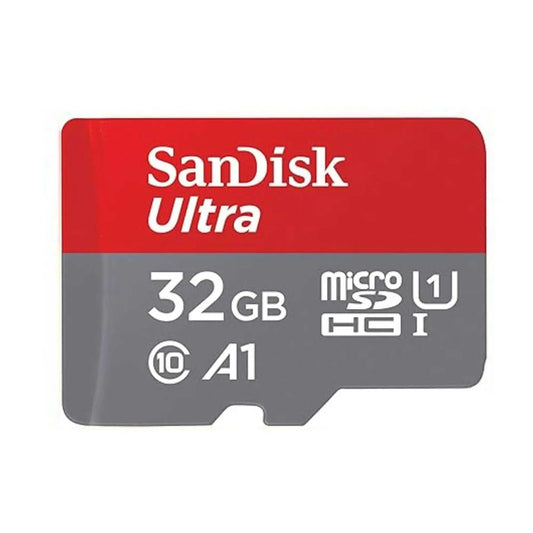
SanDisk Ultra microSDXC UHS-I Memory Card with SD Adapter – C10, A1, Full HD
SanDisk Ultra microSDXC UHS-I Memory Card with SD Adapter – C10, A1, Full HD
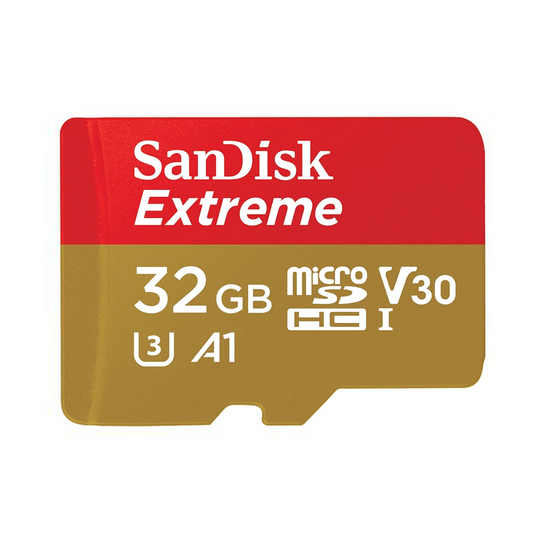
SanDisk Extreme microSDHC UHS-I Memory Card with SD Adapter – U3, A2, C10, 4K UHD
SanDisk Extreme microSDHC UHS-I Memory Card with SD Adapter – U3, A2, C10, 4K UHD

SanDisk Extreme PRO microSDXC UHS-I Memory Card with SD Adapter – U3, A2, C10, 4K UHD
SanDisk Extreme PRO microSDXC UHS-I Memory Card with SD Adapter – U3, A2, C10, 4K UHD
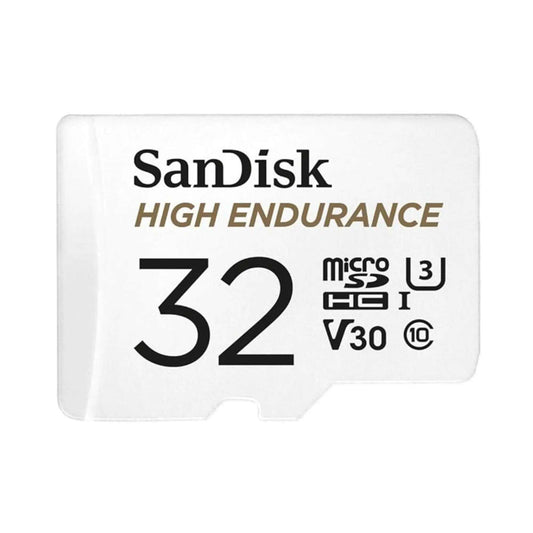
SanDisk High Endurance Video microSDXC UHS-I Memory Card with SD Adapter – U3, C10, V30, 4K UHD

SanDisk MAX Endurance microSDXC UHS-I Memory Card with SD Adapter – U3, C10, V30, 4K UHD
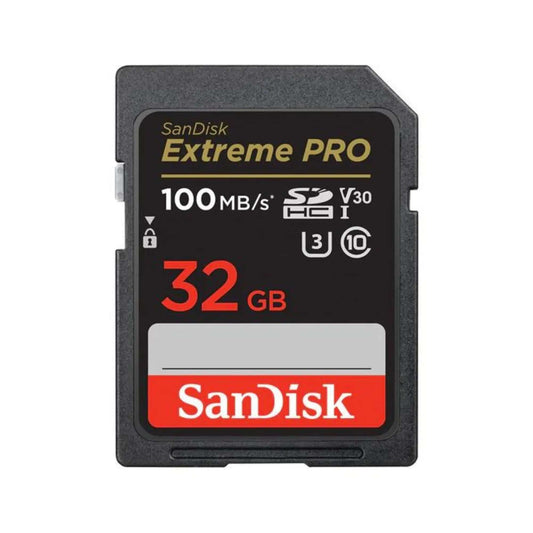
SanDisk Extreme PRO SDXC UHS-I SD Memory Card – U3, V30, C10, 4K UHD Compatible

SanDisk Extreme PRO SDXC UHS-II SD Memory Card – V90, U3, C10, 8K & 4K UHD Compatible
SanDisk Extreme PRO SDXC UHS-II SD Memory Card – V90, U3, C10, 8K & 4K UHD Compatible

SanDisk Express microSDXC Memory Card for Nintendo Switch 2 – C10, U3, 4K/8K
SanDisk Express microSDXC Memory Card for Nintendo Switch 2 – C10, U3, 4K/8K
Sports and wildlife photography puts a different kind of pressure on a memory card than everyday shooting. Instead of taking one photo every few seconds, you may be firing a long burst of RAW frames as a hawk dives toward its prey or a sprinter reaches the finish line. If the card cannot accept data quickly enough, the camera's buffer fills and the burst slows or pauses until the camera catches up. That is often when the decisive frame is lost.
This guide explains what actually affects burst performance, how to choose between UHS-I and UHS-II, what Video Speed Class does—and does not—tell you, and how much capacity makes sense for a single outing or a multi-day trip. It focuses on cameras that record to full-size SD cards. Some professional sports and wildlife bodies use CFexpress, XQD, or mixed card-slot systems, so confirm the slot type in your camera manual before buying.
Quick recommendation by scenario
There is no single best card for every photographer. The right option depends on the interface built into the camera, the card's real write performance, the size of the camera's buffer, and how many images you expect to capture before you can back them up. Browse Top Select's SD and SDXC card selection alongside the table below.
| Shooting scenario | Card interface | Performance direction | Suggested capacity |
|---|---|---|---|
| Weekend sports or wildlife outings with a UHS-I camera | UHS-I | High-performance U3/V30 card with a strong manufacturer-rated write specification | 128GB–256GB |
| High-volume sports coverage or longer wildlife outings with a UHS-I camera | UHS-I | U3/V30; prioritize supported capacity and proven write performance | 256GB–512GB |
| Long or frequent RAW bursts with a UHS-II camera | UHS-II | V60 or V90, depending on camera requirements and tested card performance | 128GB–256GB |
| Multi-day wildlife trips or events with limited backup opportunities | Match the camera slot | Use the appropriate class for the camera; prioritize enough total capacity and a backup plan | 512GB–1TB total, or several smaller cards |
These are planning ranges, not universal compatibility claims. Confirm the exact card interface, maximum supported capacity, and manufacturer-approved media for your camera and recording modes.
What burst shooting asks of a memory card
When you hold down the shutter in continuous mode, the camera first stores each frame in a fast internal buffer. It then writes those files from the buffer to the memory card. The camera controls the initial frames-per-second rate and buffer depth; the card affects how quickly space becomes available again after the buffer starts filling.
Three factors matter together:
The camera's interface and controller. A card cannot transfer data faster than the camera slot allows. A fast UHS-II card operates at the slower interface speed when placed in a UHS-I-only camera.
The card's actual write performance. Manufacturer-rated write speed can be relevant to buffer clearing, but it may vary by product generation, capacity, host device, and test conditions.
The card's minimum sustained-write class. U3, V30, V60, and V90 provide standardized minimum performance floors. They are useful for comparing sustained-write capability, but they do not predict the exact buffer-clearing time of a particular camera and card combination.
Advertised read speed answers a different question: how quickly a compatible reader and computer may be able to copy files from the card afterward. It should not be used as the main measure of in-camera burst-writing performance.
SDXC, UHS-I, and UHS-II explained
Full-size SD cards are divided into capacity families. SDXC covers cards above 32GB and up to 2TB. Within that format, the bus interface—such as UHS-I or UHS-II—determines the maximum data-transfer ceiling between the card and the camera. For a broader explanation of SD, SDHC, SDXC, and card markings, read Top Select's complete SD card guide.
UHS-I supports a maximum bus speed of 104MB/s and uses one row of contact pins. UHS-II adds a second row of pins and supports bus speeds up to 312MB/s. A UHS-II card can operate in a UHS-I slot, but it falls back to the slower UHS-I interface there. That means the added cost of UHS-II only improves in-camera performance when the camera itself has a compatible UHS-II slot and can use the card's higher write capability.

| Video Speed Class | Minimum sustained write | Applicable UHS interface families | Relevance to burst photography |
|---|---|---|---|
| V30 | 30MB/s | UHS-I, UHS-II, or UHS-III | A useful minimum-performance floor for many UHS-I photography cards, but not a complete measure of buffer-clearing speed |
| V60 | 60MB/s | UHS-II or UHS-III | More sustained-write headroom for compatible cameras and mixed photo/video workflows |
| V90 | 90MB/s | UHS-II or UHS-III | The highest conventional SD Video Speed Class; useful when a compatible camera benefits from the additional sustained-write margin |
Video Speed Class values are standardized minimum sustained-write rates. A card's maximum write specification may be considerably higher and may vary by capacity, generation, host device, and test conditions.
Shooting video as well as stills? See our full comparison of V30 vs V60 vs V90 SD cards, including a real camera example where the same 4K resolution requires three different card classes.
Recommended capacity for sports and wildlife shoots
RAW photography can use storage quickly, but generic photo-count calculators often look more precise than the underlying assumptions justify. File size changes with sensor resolution, RAW compression, bit depth, camera settings, and whether the camera also saves JPEG copies. The estimates below use labelled decimal capacity, reserve approximately 10% for practical planning, and assume average RAW file sizes of roughly 20MB or 45MB.
Photographers working in remote or outdoor environments can also review Top Select's field-storage guidance for environmental photography for durability, backup, and field-workflow considerations.
| Labelled capacity | Approx. photos at 20MB per RAW file | Approx. photos at 45MB per RAW file | Typical planning use |
|---|---|---|---|
| 128GB | About 5,700 | About 2,500 | Most single-day outings |
| 256GB | About 11,500 | About 5,100 | High-volume single-day coverage |
| 512GB | About 23,000 | About 10,200 | Long events or multi-day trips |
| 1TB | About 45,000 | About 20,000 | Very high-volume trips or fewer card changes |
Planning estimates only. They use decimal capacity, a 10% planning reserve, and the stated average file sizes. Actual counts may be lower when the camera creates larger RAW files, JPEG copies, video clips, sidecar files, or additional folder and file-system overhead.

As a practical starting point, 128GB–256GB covers many single-day sports and wildlife shoots. Consider 512GB–1TB of total capacity for multi-day wildlife trips, tournaments, or assignments where you cannot offload files regularly. That total can come from one supported card or several smaller cards, depending on how you prefer to manage risk.
Choose by camera slot and shooting volume
These recommendations assume you have already confirmed the card format, interface, and maximum capacity supported by the camera.
UHS-I baseline — SanDisk Extreme PRO UHS-I SDXC, U3/V30, 128GB–256GB. This is a practical direction for UHS-I camera bodies, weekend sports, day trips, and moderate RAW burst volumes. Check the exact capacity's current write specification because performance can vary across generations and capacities.
UHS-I capacity-first — SanDisk Extreme PRO UHS-I SDXC, U3/V30, 256GB–512GB. Choose this when the camera is limited to UHS-I but you need more room for a full event, a longer wildlife outing, or fewer card changes. The larger capacity does not automatically make the camera faster.
UHS-II performance-first — SanDisk Extreme PRO UHS-II SDXC, V60 or V90. Choose a compatible UHS-II option when the camera has a UHS-II slot and you regularly shoot long or frequent RAW bursts. V90 provides the highest standardized sustained-write floor in the conventional SD Video Speed Class system; V60 may still be sufficient when it meets the camera manufacturer's requirements and the card's tested write performance suits your workflow.
Photography businesses, schools, agencies, and teams standardizing cards across multiple cameras can also request a bulk quote for orders of 100 units or more.
Common buying and workflow mistakes
Buying UHS-II for a UHS-I-only camera and expecting a full speed increase. The card should operate in the slot, but it falls back to the UHS-I interface. The premium only pays off in-camera when the body supports UHS-II.
Judging a card only by its advertised read speed. Read speed mainly affects file offload with a compatible reader. For bursts, consider the camera interface, actual card write performance, and standardized sustained-write class together.
Assuming every card with the same V rating performs identically. V30, V60, and V90 define minimum sustained-write floors. Two cards with the same rating can still have different maximum and real-world write behaviour.
Choosing capacity only by price per gigabyte. A larger card reduces swaps, but it also places more of the shoot on one physical card. Decide how much loss you could tolerate if one card were damaged, lost, or unreadable.
Skipping the camera manufacturer's setup guidance. Before an important shoot, confirm the recommended file system and use the camera's formatting function when the manual instructs you to do so. Back up anything important first, because formatting erases the card.
Using a slow reader for a fast card. A UHS-I reader can limit UHS-II offload speeds. To benefit from the card after the shoot, use a reader and computer connection that support the required interface and transfer rate.
One large card or several smaller cards?
Some photographers prefer several mid-capacity cards—for example, three 256GB cards—instead of relying on one 1TB card. That approach limits how much of a shoot sits on any single card and can make it easier to separate games, days, locations, or camera bodies. The trade-off is more card handling, more chances to misplace a card, and often a higher total cost per gigabyte.
If your camera has two card slots, check the recording modes carefully. Backup or mirrored recording writes the same files to both cards and improves redundancy, but effective capacity is limited by the smaller card. Overflow recording increases total shooting capacity by moving to the second card when the first fills, but it does not create a second copy of the files.
For remote wildlife trips or paid sports assignments, card rotation should be paired with a backup routine. A second copy on a laptop, portable SSD, or other verified storage device is more meaningful protection than simply carrying additional empty cards.
Final recommendation
Start with the camera, not the package. If your body has a UHS-I slot, a high-performance SanDisk Extreme PRO UHS-I U3/V30 card is a sensible baseline, and increasing supported capacity may help more than paying for an interface the camera cannot use. If the camera has a UHS-II slot and you regularly shoot long or frequent RAW bursts, a compatible Extreme PRO UHS-II V60 or V90 card can provide more write-performance headroom.
Capacity should reflect the full assignment or trip, not only the length of one burst. For many photographers, 128GB–256GB is a useful single-day range. For multi-day trips or high-volume coverage, consider 512GB–1TB of total supported capacity and decide whether you prefer one large card or a rotation of smaller cards.
Not sure which option fits your camera? Use the Memory Card Finder, or contact Top Select with the exact camera model, shooting mode, and preferred capacity.
FAQ
What SD card is best for burst photography?
Choose a high-performance SD card that matches the camera's interface. For UHS-I bodies, a SanDisk Extreme PRO UHS-I U3/V30 card is a practical starting point. For UHS-II bodies that benefit from faster writes, consider an Extreme PRO UHS-II V60 or V90 card. Confirm the exact camera's supported interface and capacity first.
Do I need UHS-II for sports or wildlife photography?
Only when the camera has a UHS-II slot and your burst workflow benefits from faster writes. A UHS-II card can operate in a UHS-I slot, but it runs at the slower UHS-I interface there. Check the camera manual before paying more for UHS-II.
What is the difference between V30, V60, and V90?
They are Video Speed Class ratings that guarantee minimum sustained sequential write rates of 30MB/s, 60MB/s, and 90MB/s. They provide useful performance floors, but they do not tell you the exact buffer-clearing time of a particular camera and card combination. For a full comparison—including a real camera example where the same 4K resolution requires three different classes—see our guide to V30 vs V60 vs V90 SD cards.
Will a UHS-II card work in a UHS-I camera?
Yes, but it operates at UHS-I interface speed in that camera. It may be useful if you plan to upgrade later, but it should not be purchased for a UHS-I-only body with the expectation of full UHS-II performance today.
What SD card capacity should I choose for sports or wildlife photography?
For many single-day RAW shoots, 128GB–256GB is a practical range. Consider 512GB–1TB of total capacity for multi-day wildlife trips, tournaments, or assignments with limited backup opportunities. Actual photo counts depend on your camera's RAW file size and whether it also saves JPEG or video files.
Should I use one large card or several smaller cards?
Several smaller cards spread the shoot across multiple pieces of media, while one large card reduces swapping and simplifies card management. Neither approach replaces a backup. Choose the workflow you can manage reliably, and use dual-slot backup recording when your camera supports it and redundancy matters.
Last reviewed: July 24, 2026. Technical references reviewed for this guide include the SD Association Speed Class standard, SD bus-interface overview, SD capacity standards, and current SanDisk Extreme PRO UHS-I and SanDisk Extreme PRO UHS-II V90 product information. Product speeds vary by capacity and generation, and real performance depends on the camera, card, reader, firmware, and shooting conditions.

![SanDisk microSD Express: The High-Speed Storage Upgrade Built for Nintendo Switch 2 (and Beyond) [2026]](http://www.topselect.ca/cdn/shop/articles/Blog_Covers_2_1.png?v=1774635766&width=533)
